



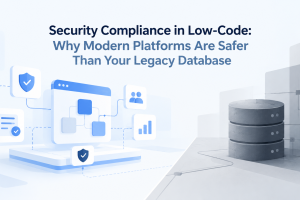
Enterprise security problems rarely begin with a single outdated database. They emerge when aging applications, fragmented access controls, undocumented...
Tag - Scalability in Low-Code/No-Code
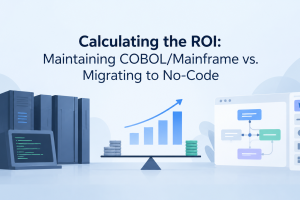
For an enterprise running decades of business logic on COBOL, the modernization question can appear deceptively simple: compare the annual mainframe bill with...
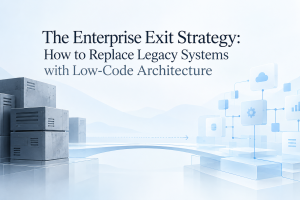
Most enterprise leaders do not need another argument for modernizing legacy systems. They already see the symptoms: release cycles measured in months...
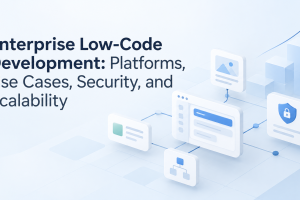
Enterprise low-code development has moved well beyond departmental forms and temporary workflow tools. Large organizations now use low-code platforms to...
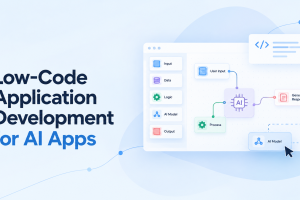
Enterprise technology leaders are under pressure to put AI into production faster than traditional application programs normally allow. A customer service team...

For established SaaS companies, becoming AI-native is not primarily a model integration project. It is an architectural and product operating model change...
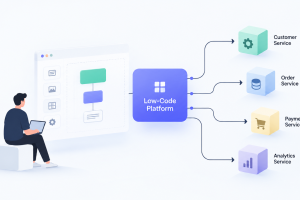
Enterprise engineering leaders rarely struggle with a lack of technology choices. They struggle with getting those technologies to work together without...
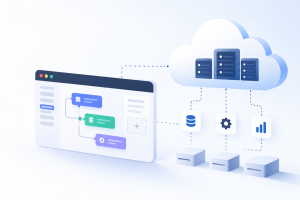
Low-code applications can run on the cloud, and many enterprise low-code platforms now treat cloud deployment as a standard operating model. The more important...
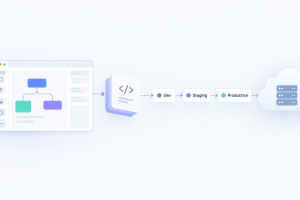
Low-code platforms make application development faster, but enterprise technology leaders rarely lose sleep over how quickly a form, workflow, or interface can...
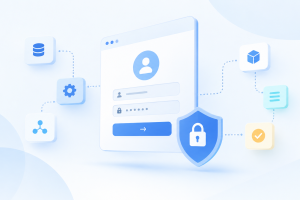
No-code platforms make authentication look simple. A team can add a sign-in screen, connect an identity provider, define user roles, and have a working...